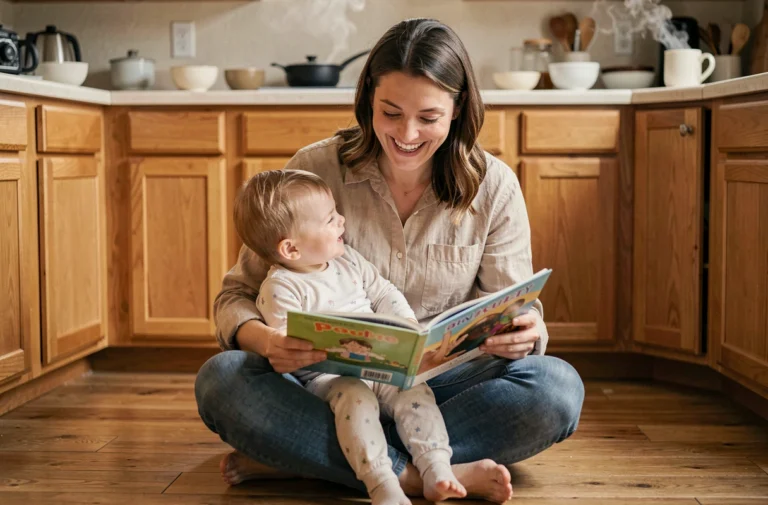
A home that immediately feels welcoming is built on measurable choices: the color temperature of the lighting, the proportion of natural materials, and indoor air quality. These factors, often treated separately in decorating guides, interact with one another and shape both how comfortable a home feels and how well each room functions day to day.
Ventilation and air quality: the overlooked factors in a comfortable home
Most advice on creating a cozy interior focuses on textiles, colors, and lighting. The air you breathe in each room has just as much impact on comfort as a wool throw draped over a sofa.
According to the Chambre des notaires de Verson, Douvres et Saint-Aubin, a more airtight home can trap more moisture if ventilation is inadequate. Replacing your windows without rethinking air circulation means trading a draft for condensation on the walls. Insulation, heating, and airflow form an inseparable trio.
An open-plan kitchen and living room, a bathroom added during a renovation, or a closed-off walk-in closet can all alter airflow. Ventilation should be planned from the outset, not after mold appears. Resources such as Elle Est Belle La Vie’s home section can help you consider both the aesthetic and technical aspects before starting a renovation.

Comparing ways to create a cozy feel: materials, lighting, and colors
Three groups of choices come up in almost every interior design project. Their impact on the atmosphere varies, as does their cost.
| Approach | Impact on the atmosphere | Relative cost | Time to implement |
|---|---|---|---|
| Lighting (warm color temperature, multiple sources) | Immediate effect on how warm a room feels | Low to moderate | A few hours |
| Natural materials (wood, stone, linen, wool) | Long-lasting; changes the look and feel of surfaces | Moderate to high | Several days to weeks |
| Color palette (warm tones, soft neutrals) | Noticeable as soon as you enter the room | Low (paint) to moderate (wall coverings) | One to two weekends |
| Personal items and keepsakes | Strong impact on character, little on physical warmth | Almost none | Immediate |
Lighting offers the best return for the effort when it comes to transforming a room’s atmosphere. Replacing a single ceiling light with three warm light sources—a table lamp, a floor lamp, and a string of lights—can change how a room feels in less than an hour.
Natural materials work in a different way. Wood, linen, and stone do more than create a visual effect: they help regulate ambient humidity and develop character as they age. They cost more upfront, but their durability pays off over the years.
What gives an interior personality: the difference between a generic space and a lived-in home
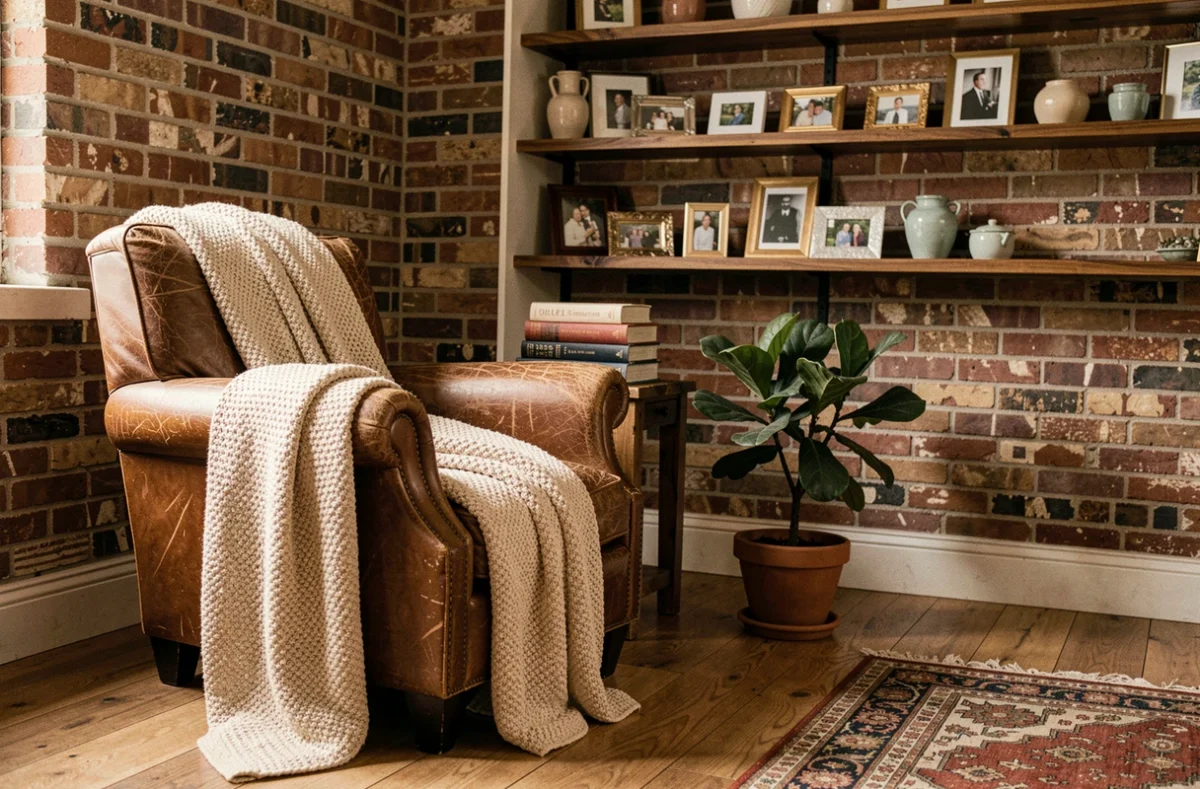
A living room can have all the hallmarks of a cozy interior—light wood, soft lighting, linen cushions—and still feel completely impersonal. A space gets its personality from objects you won’t find anywhere else: a piece of pottery brought back from a trip, a secondhand find, or a shelf full of books you’ve read.
The difference between decoration and personality comes down to where things come from. A picture frame bought at a big-box store looks like a picture frame bought at a big-box store. A concert poster you framed yourself tells a story that belongs to you alone.
Secondhand furniture and one-of-a-kind pieces
Buying secondhand furniture is about more than saving money. An antique dresser, a farmhouse table, or a 1960s armchair brings in proportions and finishes you won’t find in today’s catalogs. Here’s what sets a vintage find apart from an ordinary used piece of furniture:
- The patina on wood or metal adds a texture that new furniture can’t replicate, even with an artificial aged finish
- Non-standard dimensions encourage you to work with the space rather than mechanically fill every wall
- Mixing eras creates visual contrast and prevents uniformity—the main enemy of personality
Room-by-room functionality: tailor your layout to how you really live
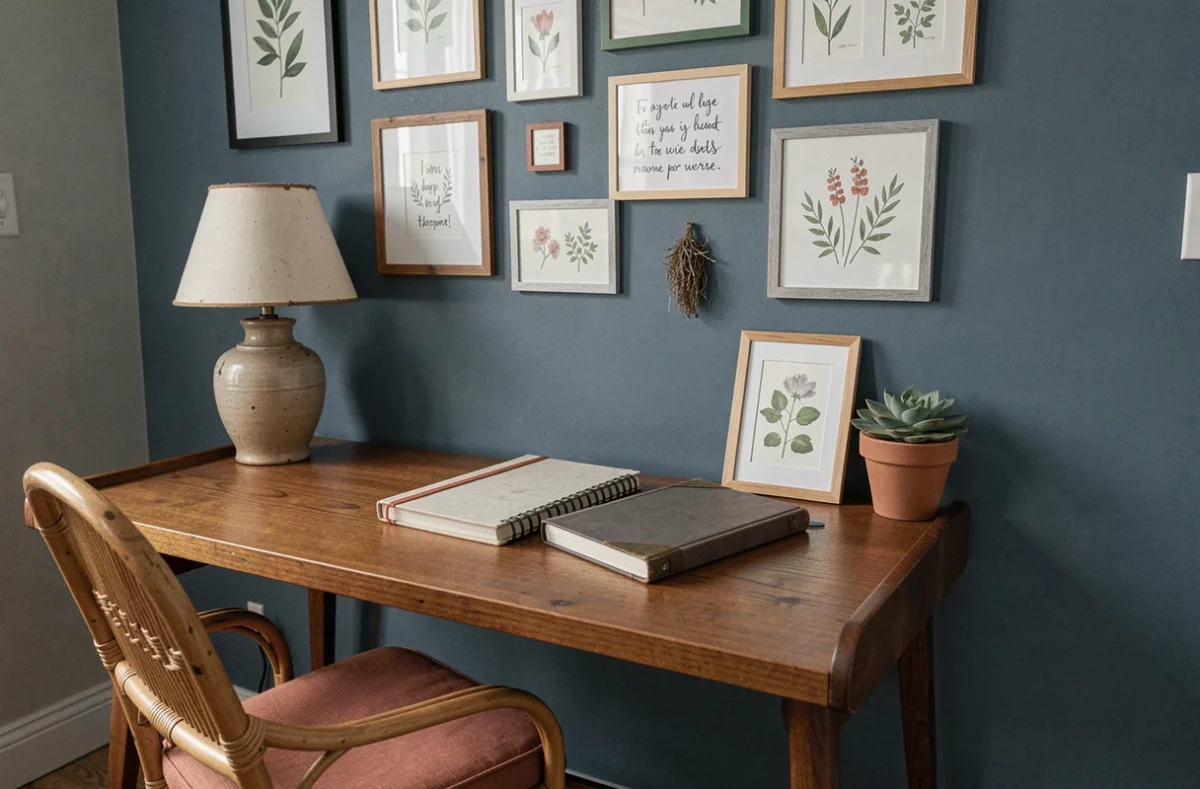
A functional home doesn’t follow a standard floor plan. It starts with how the people who live there actually use each space. Paying attention to how you move around your home for a week reveals your real needs better than any decorating magazine.
The living room as a multipurpose space
The living room rarely serves just one purpose. Reading, eating in front of a movie, playing with the kids, and occasionally working on a laptop often have to coexist in less than twenty square meters. Bringing seating closer together, defining a reading nook with a rug, and adding closed storage for everyday items are enough to organize the space without putting up walls.
Entryways and hallways: underused spaces
The entryway sets the tone from the moment you walk in. Warm lighting by the door, a coat rack to keep jackets off the chairs, and a mirror that opens up the view can turn a pass-through hallway into a welcoming transition space. A well-organized entryway helps reduce clutter throughout the rest of the home.
Warm colors and living room lighting: how to combine them without overdoing it
Warm shades such as terracotta, ochre, and rich beige work better as accents than as full-room color schemes. A warm accent wall paired with off-white or light gray walls is enough to make a room feel cozier without making it seem smaller.
Lighting can complement or undermine your chosen palette. A cool-white bulb cancels out the effect of an ochre wall. Warm-toned bulbs bring out the nuances of earthy colors and raw materials.
- Adding several low-level light sources (table lamps, wall sconces) creates soft shadows that give the room depth
- Avoid a single ceiling light, which flattens the space and creates harsh, institutional lighting
- Pairing a dimmer with the main light lets you adjust the atmosphere from morning to evening
A cozy home depends on technical choices as much as decorative ones. Air circulation, bulb color temperature, where your furniture comes from, and how you organize rooms around the way you actually use them all work together to create a home that feels like yours—not a showroom.